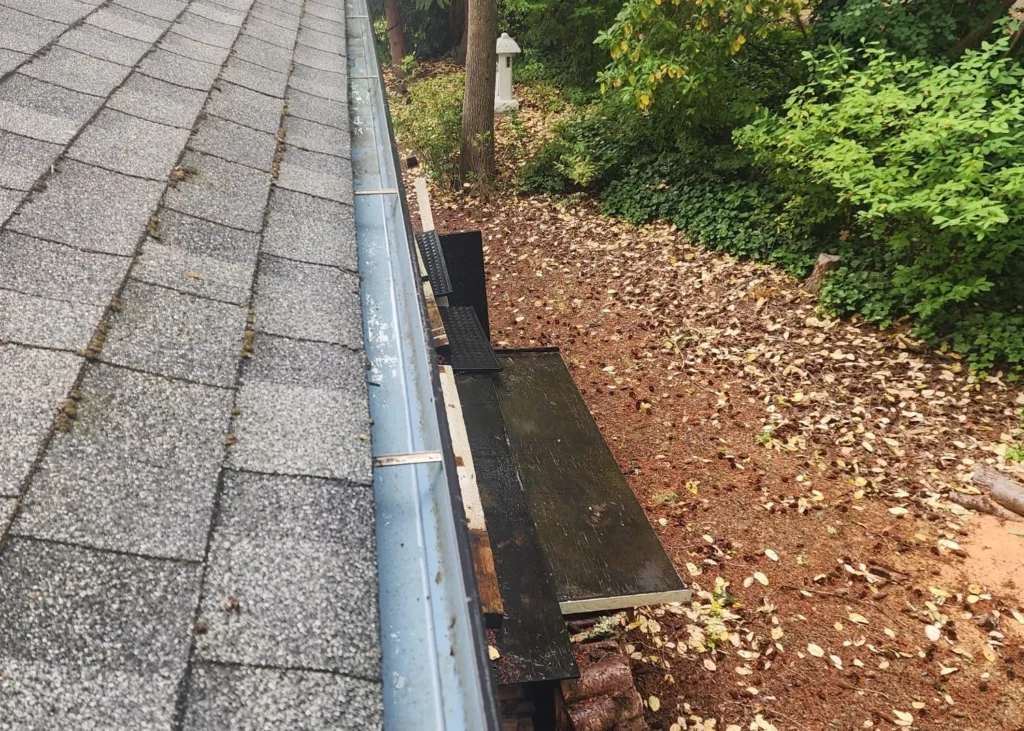
Winter weather in Olympia brings frequent rain, persistent moisture, and occasional freezing conditions that keep roof surfaces wet for extended periods. These conditions place steady pressure on roofing systems, especially when debris or organic buildup is already present. Moss fragments, leaves, and surface residue that accumulated earlier in the year continue to affect roof performance throughout winter. Scheduling roof cleaning in Olympia WA, during this season helps address ongoing moisture exposure rather than waiting for conditions to improve.
Winter rainfall typically occurs in recurring cycles rather than as isolated storms. Roof surfaces may not fully dry between weather events, particularly in shaded areas. When debris or organic material remains on the roof, moisture becomes trapped against shingles and roof components. Over time, this prolonged contact causes wear and disrupts proper water flow.
How Winter Moisture Affects Roof Surfaces
Roofs rely on unobstructed surfaces to move water away as intended. Leaves, moss fragments, and other debris can interrupt water flow, allowing moisture to linger longer than intended. During winter, this effect becomes more pronounced because evaporation slows and sunlight exposure is limited.
When water remains in contact with roofing materials for extended periods, surface wear accelerates. Winter roof cleaning focuses on removing buildup that interferes with drainage, helping water move off the roof more consistently during frequent rain events.
Organic Growth Does Not Pause in Winter
Olympia’s climate allows moss and other organic growth to persist well into winter. Cooler temperatures and steady moisture create conditions where existing growth remains active rather than drying out. Even when visible growth appears unchanged, moss continues to retain moisture and shed fragments during rainfall.
These fragments often travel downslope and collect in roof valleys, transitions, and near gutter lines. As debris accumulates, drainage efficiency declines. Roof cleaning in winter removes this material and limits the amount of organic debris that continues to move across the roof surface.
Debris Buildup and Winter Drainage Challenges
Winter rain places constant demand on a roof’s ability to move water away from the structure. Roof slopes, flashing areas, and valleys depend on clear pathways to function properly. When debris disrupts these pathways, water may slow or pool briefly before draining.
Repeated pooling increases stress on roofing materials and may contribute to premature surface deterioration. Clearing debris during winter helps ensure smoother water flow and reduces the risk of moisture lingering in vulnerable areas.
Roof Edges and Valleys During Cold, Wet Conditions
Certain areas of the roof experience more stress during winter than others. Roof edges, valleys, and locations around penetrations often collect debris first and remain damp longer due to limited airflow and sun exposure. These areas are also where water tends to concentrate during heavy rain.
Removing debris from these locations helps reduce moisture retention and supports more consistent drainage. Winter roof cleaning focuses on maintaining clear surfaces where buildup commonly occurs, assisting the roof perform more effectively in seasonal weather.
Snow and Freeze-Thaw Cycles Add Pressure
Although Olympia does not experience constant snowfall, winter conditions still include occasional snow and overnight freezing. Snow that settles on the roof often melts during the day, creating additional runoff. If debris is present, meltwater may not move away efficiently.
Freeze-thaw cycles can also compact organic material, making the buildup denser over time. Addressing debris during winter reduces the amount of moisture that becomes trapped in these cycles and limits additional stress on roofing components.
Why Waiting Until Spring Can Increase Wear
Delaying roof cleaning until spring allows debris and organic growth to remain in place during the year’s wettest months. Winter rain continues to interact with that buildup, increasing cumulative moisture exposure. By spring, surface conditions may be more advanced than earlier in the season.
Roof cleaning during winter focuses on managing current conditions rather than preparing for future ones. Removing debris mid-season helps limit ongoing exposure and supports roof performance during months when moisture levels remain high.
Supporting Gutter Performance Through Roof Cleaning
Roof surfaces and gutter systems work together to manage water. Debris that remains on the roof often washes into gutters during winter rain. As debris accumulates, gutters may struggle to carry water away from the structure efficiently.
Keeping roof surfaces clear during winter helps reduce debris from entering the gutter system. This improves overall drainage and reduces strain on connected components during steady rainfall and snowmelt.
Winter Roof Care as Part of Seasonal Maintenance
Roof cleaning is not limited to dry or transitional seasons. In moisture-heavy regions, winter maintenance plays an important role in managing surface conditions. Addressing buildup when weather allows supports consistent roof performance through the remainder of the season.
Winter-focused roof cleaning centers on drainage and moisture management rather than appearance. Maintaining clear surfaces helps the roof function as intended during ongoing rain and cold conditions.
Related Articles:
- Why Clearing Gutters Comes First in Roof Cleaning for Olympia Homes
- Why Roof and Gutter Maintenance Matters for Tumwater Homes
Maintaining Roof Performance During Winter Weather
Winter weather in Olympia continues to challenge roofing systems through persistent rain, moisture retention, and periodic freezing. Removing debris and organic buildup during this season helps support proper water movement and reduces prolonged surface moisture. Addressing roof conditions while winter is underway provides ongoing protection rather than delaying maintenance.
Contact Cleaner Solutions to schedule professional roof cleaning in Olympia WA, and protect your roof during winter.